

Understanding tinnitus relief.
What is habituation?
Habituation is the process your brain uses to learn to treat tinnitus as background noise, something it no longer needs to pay attention to. It is the most well-established pathway to lasting tinnitus relief.

Your brain decides what to notice.
Tinnitus is not just a sound problem, it is a brain attention problem. The auditory system picks up the ringing or buzzing signal, but it is the brain's limbic system that decides to treat it as a threat and keep bringing it to your conscious awareness.
Habituation works by giving your brain consistent, gentle competing sound input. Over time, the nervous system learns to reclassify tinnitus as an unimportant background signal, the same way you stop noticing the hum of a fridge within minutes of entering a room.
"Habituation is not about the tinnitus disappearing. It is about reaching a point where it no longer causes distress, and where you can go hours - or days - without consciously noticing it."
Jack Bridge - Managing Director
The habituation timeline.

Weeks 1-2
Getting used to sound enrichment.
You are building the habit. Your brain is adjusting to having a new auditory input. Many people don't notice a significant benefit at this stage, and that is completely normal.
Habituation is not an overnight fix. It is a gradual neurological process that requires consistent use over weeks and months before the brain begins to reclassify tinnitus as unimportant background noise. Some people notice a slight reduction in stress around their tinnitus during this early period, but if you don't, keep going - you are still making progress.

Weeks 3-6
First moments of relief.
This is often where the first signs of progress appear - though not always, and not for everyone at the same time. Some users report their first stretches of time - sometimes an hour or more - where the tinnitus fades from conscious attention. Sleep quality often begins to improve during this period.
If you haven't reached this point yet, don't be discouraged. Habituation does not follow a fixed schedule. What matters is that your brain is continuing to process the sound input, even when the results aren't yet visible to you.

Weeks 6-12
Building resilience.
For many people, this is where habituation starts to feel real. Relief periods become longer and more frequent, and the emotional response to tinnitus begins to soften. Stressful days may still bring a spike in awareness, this is normal and does not mean you have gone backwards. Progress with habituation is rarely a straight line.
There will be better days and harder days. The key is consistency, returning to your sound therapy routine even after a difficult period is exactly how lasting change is built.

Months 4-12
Lasting habituation.
With consistent use over this longer period, most people find that tinnitus gradually shifts from a foreground concern to a background feature of daily life. You may go whole days without consciously thinking about it.
For some this happens earlier, for others it takes longer, both are valid. The brain works at its own pace. What brings people to this point is not how intensely they used their device, but how consistently they kept showing up over time.
How long does it actually take?
The honest answer is that it is different for everyone, and it is slower than most people expect. Here is what to look out for along the way.
Tinnitus habituation myths vs facts.
Myths.
-
Habituation means putting up with tinnitus forever.
-
It only works for mild tinnitus.
-
Results happen quickly or not at all.
Facts.
-
Habituation means reaching a point where tinnitus no longer controls your life - that is a genuine, meaningful form of relief.
-
Sound therapy and habituation have been used effectively across a wide range of tinnitus severities, including chronic and long-standing cases.
-
Neurological change takes time. Consistency over weeks and months is the key factor - not intensity or speed.
How Sonovo fits in.
Designed specifically for habituation.
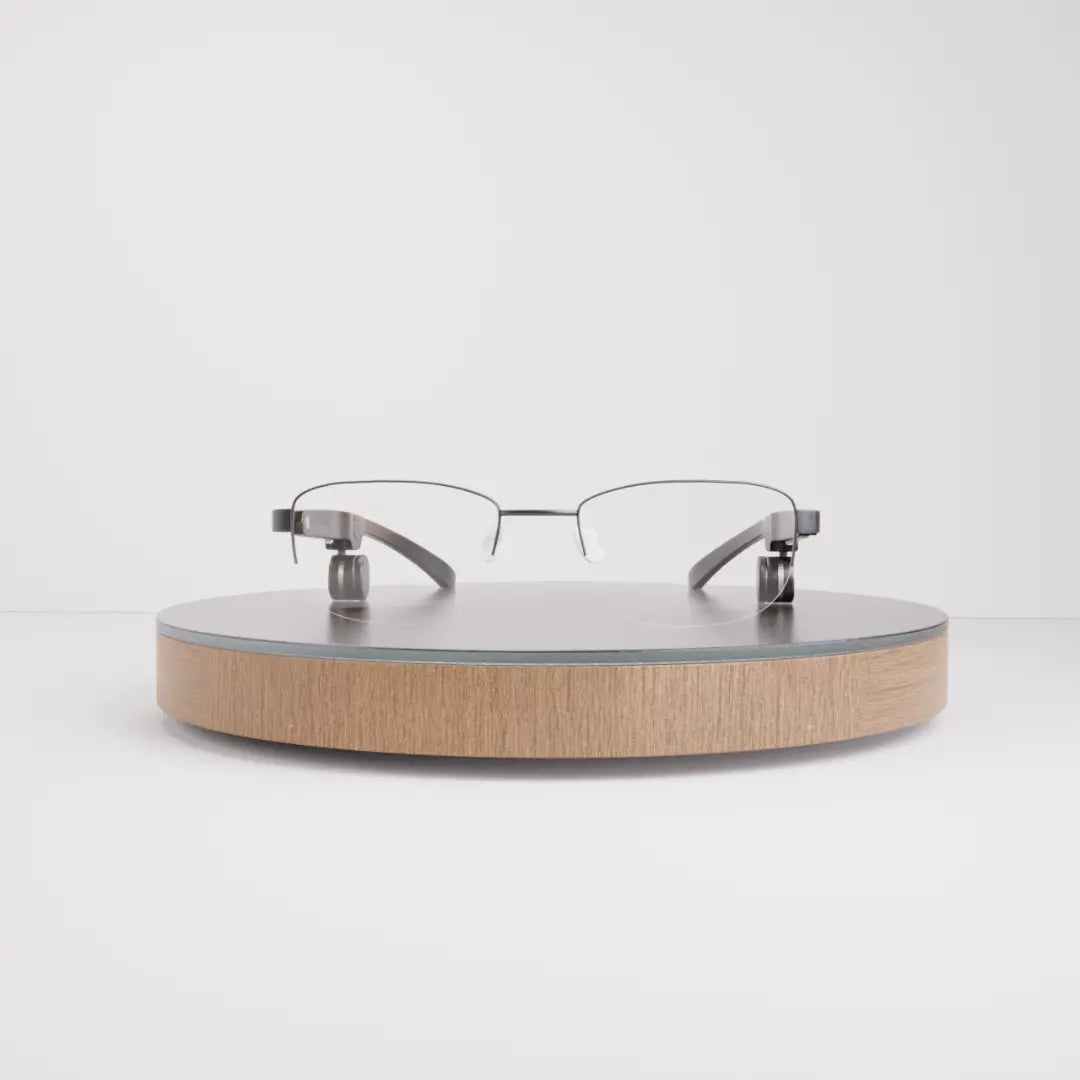
Sonovo products use bone conduction technology to deliver sound enrichment in a way that complements your natural hearing rather than competing with it. Because the sound bypasses the outer ear canal, it can be used comfortably during sleep, at work, or throughout the day.
Each device is built around one goal: giving your auditory system the consistent, gentle input it needs to begin the habituation process - and sustain it.
Our mission.
Support does not stop at the product level. We're invested in this community.
Sonovo exists because tinnitus deserves more than a footnote in a GP appointment. We work with the organisations that matter, because the people we serve deserve a business that takes the cause as seriously as they do. We're a proud King's Trust supported business and a Tinnitus UK corporate partner, donating 5% of each sale to fund research, awareness, and support for the 7.1 million people in the UK living with tinnitus.


Frequently asked questions.
How long does tinnitus habituation take?
Most people begin to notice meaningful change between 6 and 12 weeks of consistent use. Full habituation - where tinnitus is rarely at the forefront of your mind - typically develops over 6 to 18 months.
Does it work while I sleep?
Yes. The Sonata 2.0 is designed specifically for sleep use. Delivering sound therapy at night is particularly effective because it covers a long, uninterrupted period when silence would otherwise make tinnitus feel louder.
What if I don't notice any change in the first few weeks?
This is completely normal. Neurological change is gradual and often below the level of conscious awareness at first. Consistency is more important than early results - keep going.
Can I use Sonovo products alongside other tinnitus treatments?
Sonovo devices work well alongside CBT for tinnitus, audiologist-led TRT (Tinnitus Retraining Therapy), and mindfulness-based approaches. Always consult your audiologist or GP if you have questions about combining treatments.
Your relief starts here.
You don't have to just live with it.
Hundereds of people have found their own version of relief with Sonovo. Yours might be one product, one night of better sleep, one conversation away.