

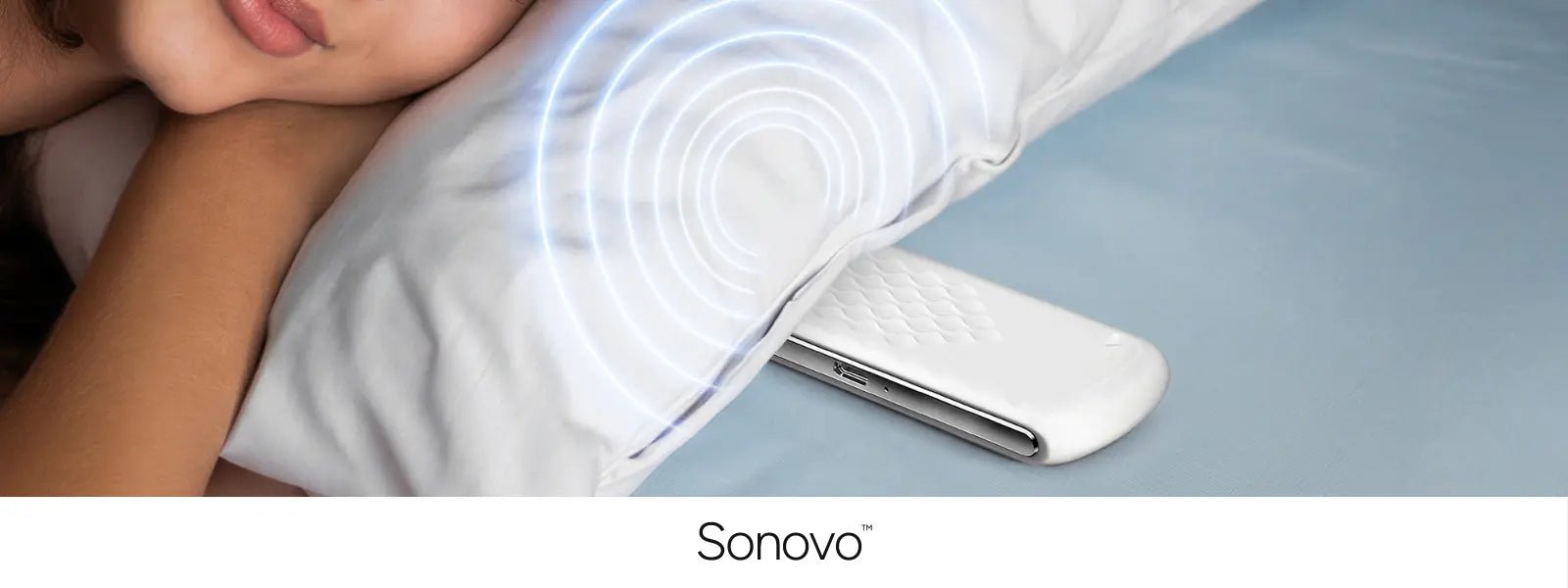
For many people living with tinnitus, night-time can be the most difficult part of the day. When external noise fades away, ringing, buzzing, or humming in the ears often becomes more noticeable. This makes falling asleep and staying asleep a daily struggle.
A tinnitus under pillow speaker offers a simple and comfortable solution. By delivering gentle background sound through your pillow, it helps reduce the contrast between silence and tinnitus, allowing your mind to relax and drift into sleep naturally.
In this guide, we explain how under pillow speakers for tinnitus work, why they are effective, and how they can support better long-term sleep.
Why Tinnitus Feels Worse at Night
During the day, your brain is distracted by conversations, traffic, television, and general background noise. These sounds naturally mask tinnitus.
At night, this stimulation disappears.
When the environment becomes quiet, tinnitus becomes more noticeable. This can lead to:
• Heightened awareness of ringing
• Difficulty relaxing
• Anxiety around bedtime
• Frequent waking
• Poor sleep quality
Over time, disrupted sleep can increase stress and fatigue, which may further intensify tinnitus perception.
Using a sleep tinnitus device such as an under pillow speaker helps reintroduce gentle sound, creating a more balanced environment for rest.

How a Tinnitus Under Pillow Speaker Works
An under pillow speaker is placed discreetly beneath your pillow. Instead of playing sound into the room, it transfers gentle vibrations through the pillow surface, which are perceived as sound by the listener.
Most modern tinnitus pillow speakers use bone conduction technology. This allows sound to travel through physical contact rather than through the air.
Key Features of Bone Conduction Pillow Speakers
• You hear the sound clearly
• Your partner is rarely disturbed
• Your ears remain open
• There is no pressure or discomfort
• You can sleep in any position
Because the device stays under the pillow, there is nothing to wear, adjust, or remove during the night.

Benefits of an Under Pillow Speaker for Tinnitus
Comfortable All-Night Use
Many tinnitus sufferers struggle with earbuds or headphones during sleep. These can become uncomfortable, fall out, or cause ear irritation.
A bone conduction pillow speaker removes this issue entirely. There is nothing in or on your ears, making it ideal for long-term use.
Gentle Sound Masking
The purpose of a tinnitus under pillow speaker is not to overpower tinnitus. Instead, it gently blends with internal sounds.
This process is known as sound enrichment.
Common sound options include:
• White noise
• Pink noise
• Nature sounds
• Soft ambient music
• Low-frequency tones
These sounds help reduce the contrast between silence and tinnitus, making the ringing feel less dominant.
Discreet and Partner-Friendly
Unlike traditional speakers or sound machines, under pillow speakers transmit most of the sound directly to you.
Very little escapes into the room, making them ideal for shared bedrooms.
Supports Tinnitus Habituation
Habituation is when the brain learns to treat tinnitus as unimportant background noise.
Using an under pillow speaker for tinnitus at night helps your brain:
• Reduce emotional reactions
• Lower attention levels
• Improve long-term coping
• Reduce distress over time
With consistent use, many people notice their tinnitus becomes less intrusive.

Who Should Use a Tinnitus Pillow Speaker?
An under pillow speaker for tinnitus is particularly helpful for people who:
• Experience ringing mainly at night
• Struggle to fall asleep
• Wake due to internal noise
• Dislike earbuds
• Sleep beside a partner
• Prefer simple, non-invasive solutions
It is also ideal for those seeking a reliable, long-term sleep support tool rather than a short-term fix.
Under Pillow Speakers vs Other Tinnitus Sleep Solutions
Earbuds and Headphones
Can provide sound masking but are often uncomfortable for overnight use.
White Noise Machines
Play sound into the room and may disturb partners.
Phone Speakers
Lack consistency and are not designed for sleep use.
Under Pillow Speakers for Tinnitus
Offer targeted, personal sound delivery with maximum comfort and minimal disturbance.
This makes them one of the most practical tinnitus sleep devices available.
How Sonovo Supports Better Sleep for Tinnitus
At Sonovo, we specialise in comfortable, non-medical sound solutions designed to help people manage tinnitus at night.
Our tinnitus under pillow speaker is designed to:
• Fit naturally into your routine
• Provide consistent sound quality
• Support long-term habituation
• Remain comfortable all night
• Be simple to use
We also donate 5 percent of every purchase to Tinnitus UK, supporting research, awareness, and community services across the UK.
Our approach combines practical design with genuine social responsibility.

How to Use an Under Pillow Speaker Effectively
To achieve the best results, follow these simple tips:
Set the Volume Low
Your sound should blend with tinnitus, not dominate it.
Use Consistent Audio
Stick with the same sounds each night.
Create a Bedtime Routine
Pair your speaker with regular sleep habits.
Allow Time for Results
Habituation often takes several weeks.
Focus on Comfort
Do not aim to “block out” tinnitus completely. Focus on relaxation instead.
Consistency is the key to long-term improvement.
Final Thoughts: Is a Tinnitus Under Pillow Speaker Worth It?
For many people, tinnitus disrupts sleep more than any other part of daily life.
A high-quality under pillow speaker for tinnitus provides:
• Comfort
• Discretion
• Effective sound enrichment
• Long-term coping support
• Better sleep quality
By reducing the contrast between silence and ringing, it helps your brain relax and rest naturally.
For those seeking a practical, non-invasive way to manage tinnitus at night, a tinnitus pillow speaker can be a valuable addition to their routine.
Better sleep is not a luxury. It is essential for wellbeing, focus, and quality of life.

Share:
Tinnitus and Habituation: Why Habituation Matters and How It Helps
Sonovo Partners with MHR Motorsports to Promote Hearing Health in Motorsport