

Age-related hearing loss and tinnitus.
Hearing tends to change as we get older, and tinnitus often comes with it. Why the two are linked, why a hearing test matters, and what helps.
On this page.
What it is.
Most people's hearing changes as they get older. It usually happens slowly, in both ears, and often starts with the higher sounds: the 's' and 'f' sounds in speech, birdsong, the beep of the microwave.
Because it is gradual, it is easy to miss. People tend to notice it as other people mumbling, the TV creeping up, or conversations in busy places becoming hard work.
When to speak to a GP.
See a GP if you think your hearing is getting gradually worse. They can check for simple causes like ear wax and refer you for an NHS hearing test.
If your hearing drops suddenly, in one or both ears, ask for an urgent GP appointment or contact NHS 111 straight away.
Ask for an urgent GP appointment if your tinnitus beats in time with your pulse.
Call 999 or go to A&E if you have tinnitus after a head injury, or together with sudden hearing loss, weakness in the muscles of your face, or a spinning sensation.
Why it can come with tinnitus.
When less sound reaches the brain from the ear, one explanation is that the hearing parts of the brain turn up their own sensitivity to compensate. The result can be a sound that comes from inside rather than from the world around you.
That is why tinnitus and hearing loss so often turn up together. It does not mean the tinnitus is damaging your hearing. Both are signs of the same change.
Hearing loss is common, particularly as people get older, and tinnitus is more common in people with hearing loss. Tinnitus UK estimate that 80% of people with severe to profound hearing loss experience tinnitus. Source: Tinnitus UK.
Three things worth knowing.
-
Hearing aids often help with tinnitus too.
Tinnitus UK say most people hear their tinnitus less when their hearing aids are switched on. More of the outside world means less contrast for the tinnitus to stand out against.
-
A hearing test does not have to cost anything.
You can get a free NHS hearing test through your GP, and some pharmacies and opticians offer free hearing tests too.
-
Night is often the hardest part.
Hearing aids come out at bedtime, the house goes quiet, and the tinnitus has nothing to compete with. That is normal, and it is worth planning for.
What can be done.
Start with a hearing test. Knowing what has changed, and by how much, makes everything else easier to decide.
If hearing aids are offered, give them a fair try. They can take a while to get used to, and many people notice their tinnitus less once they are wearing them regularly.
Keep some gentle sound around you in quiet moments, especially at night, and talk to people about it. Tinnitus UK's helpline is free on 0800 018 0527, and there are support groups across the country.
Where sound enrichment fits.
Sound enrichment does not restore hearing and it is not a hearing aid. If you have hearing loss, an audiologist is the right person to talk to first.
Where it fits is alongside. Many people find nights hardest once their hearing aids are out. A little background sound in the bedroom, from a fan, the radio or something under the pillow, gives the tinnitus less silence to stand out against.
Common questions.
Does tinnitus mean I am going deaf?
No. Tinnitus is common alongside hearing loss, but having it does not mean you will lose your hearing. It is a sign worth getting checked, not a prediction.
Can I have tinnitus with normal hearing?
Yes. Plenty of people with tinnitus have normal hearing on a test, and plenty of people with hearing loss have no tinnitus.
Will hearing aids stop my tinnitus?
They do not usually stop it, but many people hear it less while wearing them, because there is more of the outside world to listen to.
Why is it worse at night?
Your hearing aids are out and the house is quiet. With less sound around, the tinnitus stands out more. It has not got worse, the background has got quieter.
Do I need to see a GP first?
For a free NHS hearing test, usually yes, though in some areas you can refer yourself. Seeing a GP first also rules out simple causes like ear wax or an infection.
Sources.
This page is for information only and is not medical advice. Sonovo is not a medical provider. Our products are not medical devices or hearing aids. They are designed to provide sound enrichment and, in some cases, gentle sound amplification. They do not treat or cure tinnitus or any underlying condition. If you have any concerns about your hearing or tinnitus, please speak with a GP or a qualified audiologist.
Choose the Sonovo device that fits your routine.
Sound enrichment products.
None of these treat Age-related hearing loss. They are designed to make tinnitus feel less intrusive while you get the underlying cause looked at.
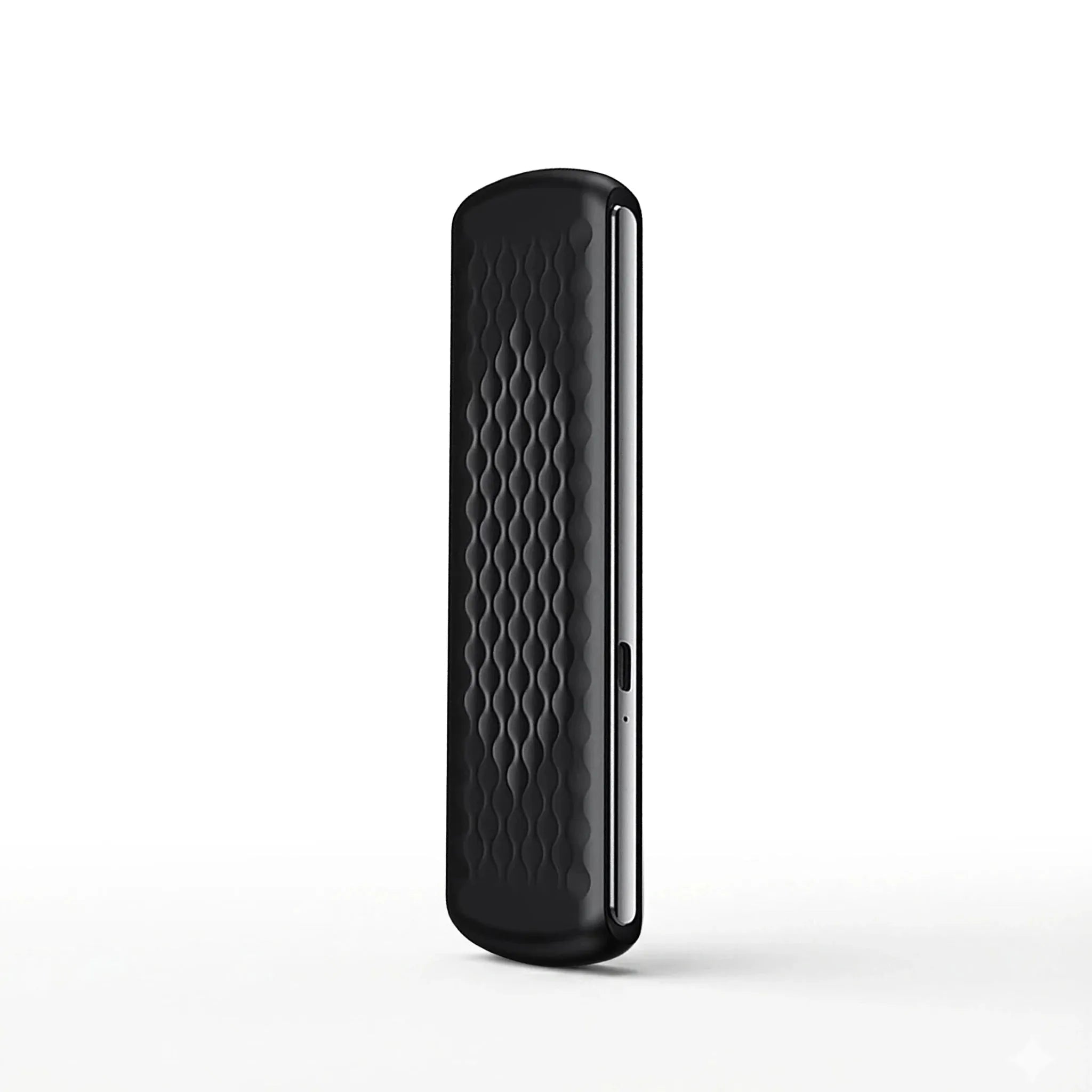
Sonata 2.0 – Bone Conduction Sleep & Tinnitus Relief Device

Under-pillow comfort.

Built for habituation.

Bone conduction comfort.

Ready when you are.

Sound stays close to you.

Built in or Bluetooth sounds.
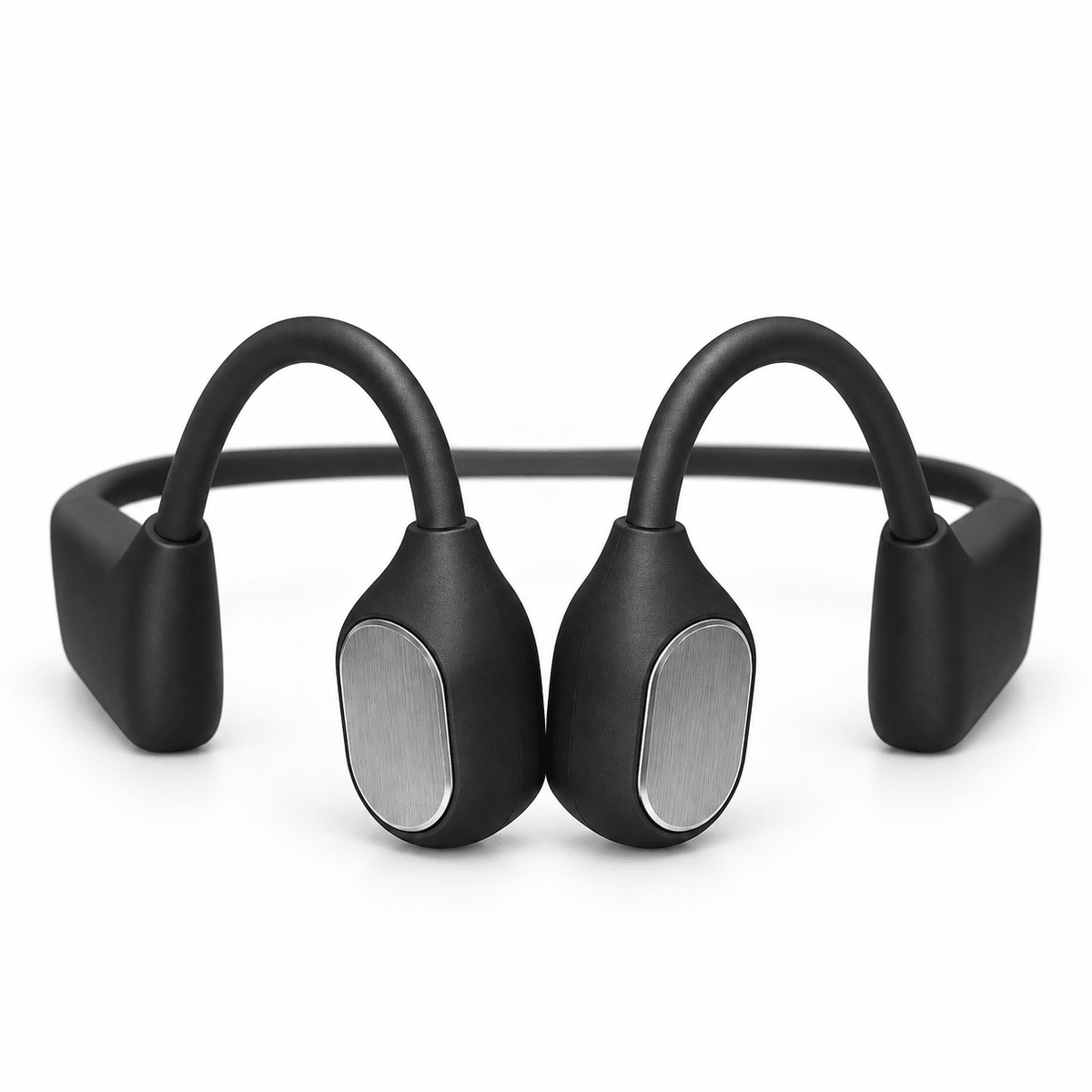
Sonovo Z18 Dual-Mode Bone Conduction Sound Amplifier
Sound amplifier + Bluetooth.
Bone conduction comfort.
Built for habituation.

10 hours of battery life.

IP67 waterproof.

Around 9 hours per charge.
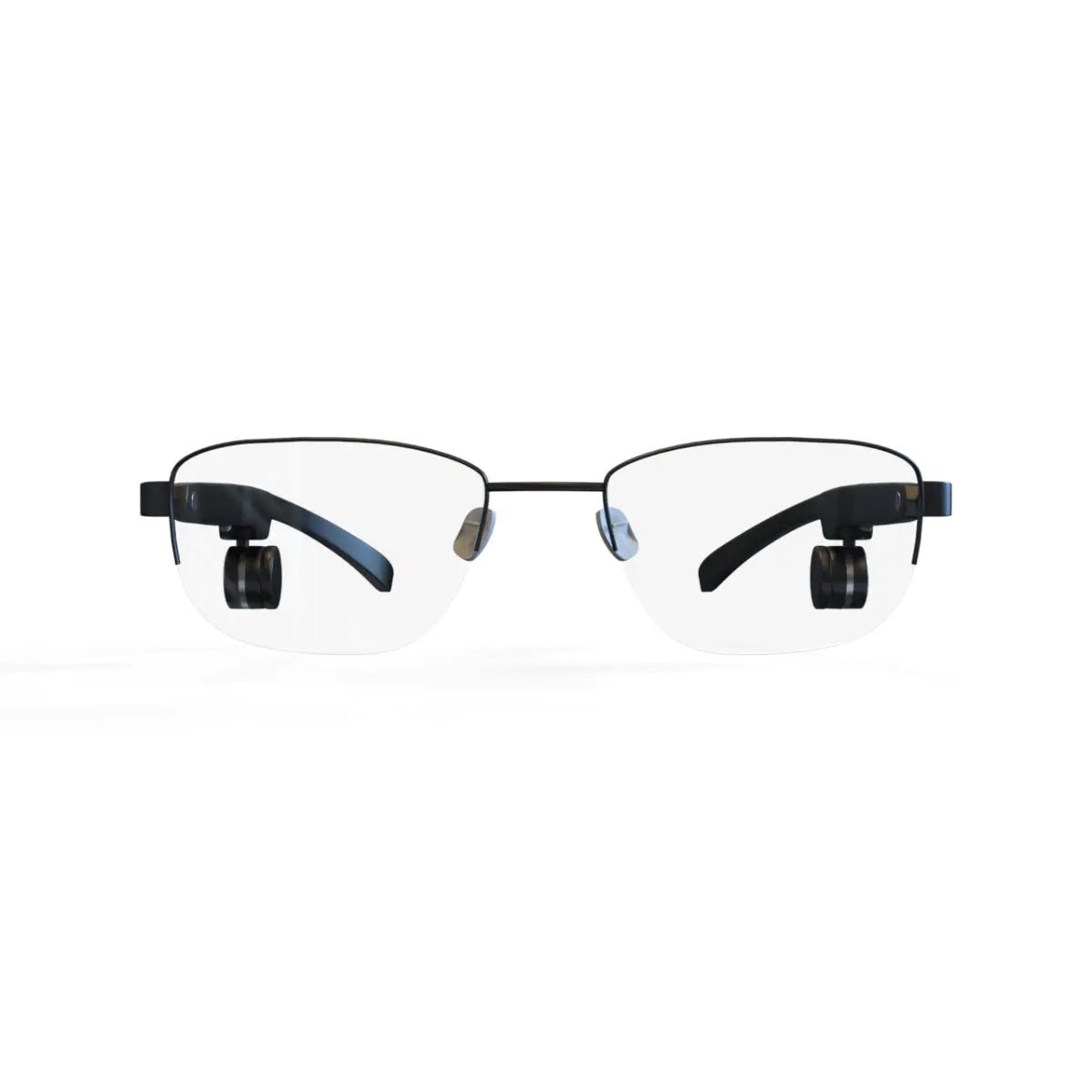
Sonovo Unison Bone Conduction Sound Amplifier Glasses.
Built for habituation.
IP67 waterproof.
Bone conduction comfort.
Start creating a calmer listening environment.
Living with tinnitus alongside Age-related hearing loss.
Get the underlying cause looked at by a GP or audiologist first. If sound enrichment would help in the meantime, or you simply want to talk it through, contact a member of our team.