

Ear infections and tinnitus.
Ear infections can bring on tinnitus for a while, along with pain and muffled hearing. Why it happens, how long it tends to last, and when to get help.
On this page.
What it is.
Ear infections are very common, especially in children, though adults get them too. They can affect the ear canal, or the middle ear behind the eardrum.
Symptoms usually come on quickly: pain inside the ear, a high temperature, difficulty hearing, and sometimes fluid coming out of the ear. Most clear up within about three days, though some last up to a week.
When to speak to a GP.
A pharmacist is a good first stop for ear pain. They can advise on what to do, and they can treat middle ear infections in children aged 1 to 17.
See a GP if the pain has not started to improve after three days, you keep getting ear infections, or the tinnitus is still there after the infection has cleared.
Ask for an urgent GP appointment or contact NHS 111 if you feel generally unwell, have a very high temperature or feel hot and shivery, or your hearing drops suddenly.
Ask for an urgent GP appointment if your tinnitus beats in time with your pulse.
Call 999 or go to A&E if you have tinnitus after a head injury, or together with sudden hearing loss, weakness in the muscles of your face, or a spinning sensation.
Why it can come with tinnitus.
An infection can cause swelling and fluid that stop sound passing through the ear properly. With less of the outside world getting through, the sounds your own body makes become easier to notice.
That is why tinnitus from an infection tends to come with other signs: pain, a blocked or full feeling, and muffled hearing, usually in the affected ear.
Ear infections are one of the first things a GP will look for when you mention tinnitus, alongside a build-up of ear wax. They are common and usually short-lived.
Three things worth knowing.
-
It is usually temporary.
Tinnitus that comes with an infection normally fades as the infection clears. Glue ear, where fluid stays in the middle ear, can take longer, and usually clears up within three months.
-
Keep things out of your ear.
Cotton buds and fingers can irritate the ear canal. Leave the ear alone while it heals, and let a pharmacist or GP take a look if you are worried.
-
If it stays, go back.
Tinnitus that is still there once the infection has gone is worth a follow-up. It may mean something else is involved, and a hearing test can help find out.
What can be done.
Most ear infections clear up by themselves. A pharmacist can recommend something for the pain while that happens.
If it does not settle, a pharmacist or GP may suggest ear drops or other treatment, depending on the type of infection.
Once it has cleared, give the tinnitus a little time to settle. If your hearing has not come back, or the tinnitus is still there, see a GP and ask about a hearing test.
Where sound enrichment fits.
Sound enrichment does not treat an infection. Let a pharmacist or GP deal with that first.
If the ringing is keeping you awake while you recover, some quiet background sound in the room can make it stand out less. Keep it low, and do not put anything in or over a sore ear.
Common questions.
Can an ear infection cause tinnitus?
Yes. Swelling and fluid can muffle outside sound, which makes the sounds inside your head easier to notice. It usually fades as the infection clears.
How long will the tinnitus last?
Usually about as long as the infection, and sometimes a little longer while fluid clears. If it is still there after the infection has gone, see a GP.
Do I need antibiotics?
Not usually. Many ear infections are caused by viruses and clear up on their own. A pharmacist or GP will advise if treatment is needed.
What is glue ear?
Glue ear is where the middle part of the ear fills up with fluid. It is much more common in children, can muffle hearing for a while, and usually clears up within three months.
Should I clean my ears?
No. Cotton buds can push wax further in and irritate the ear canal. Your ears are designed to clean themselves.
Sources.
This page is for information only and is not medical advice. Sonovo is not a medical provider. Our products are not medical devices or hearing aids. They are designed to provide sound enrichment and, in some cases, gentle sound amplification. They do not treat or cure tinnitus or any underlying condition. If you have any concerns about your hearing or tinnitus, please speak with a GP or a qualified audiologist.
Choose the Sonovo device that fits your routine.
Sound enrichment products.
None of these treat Ear infections. They are designed to make tinnitus feel less intrusive while you get the underlying cause looked at.
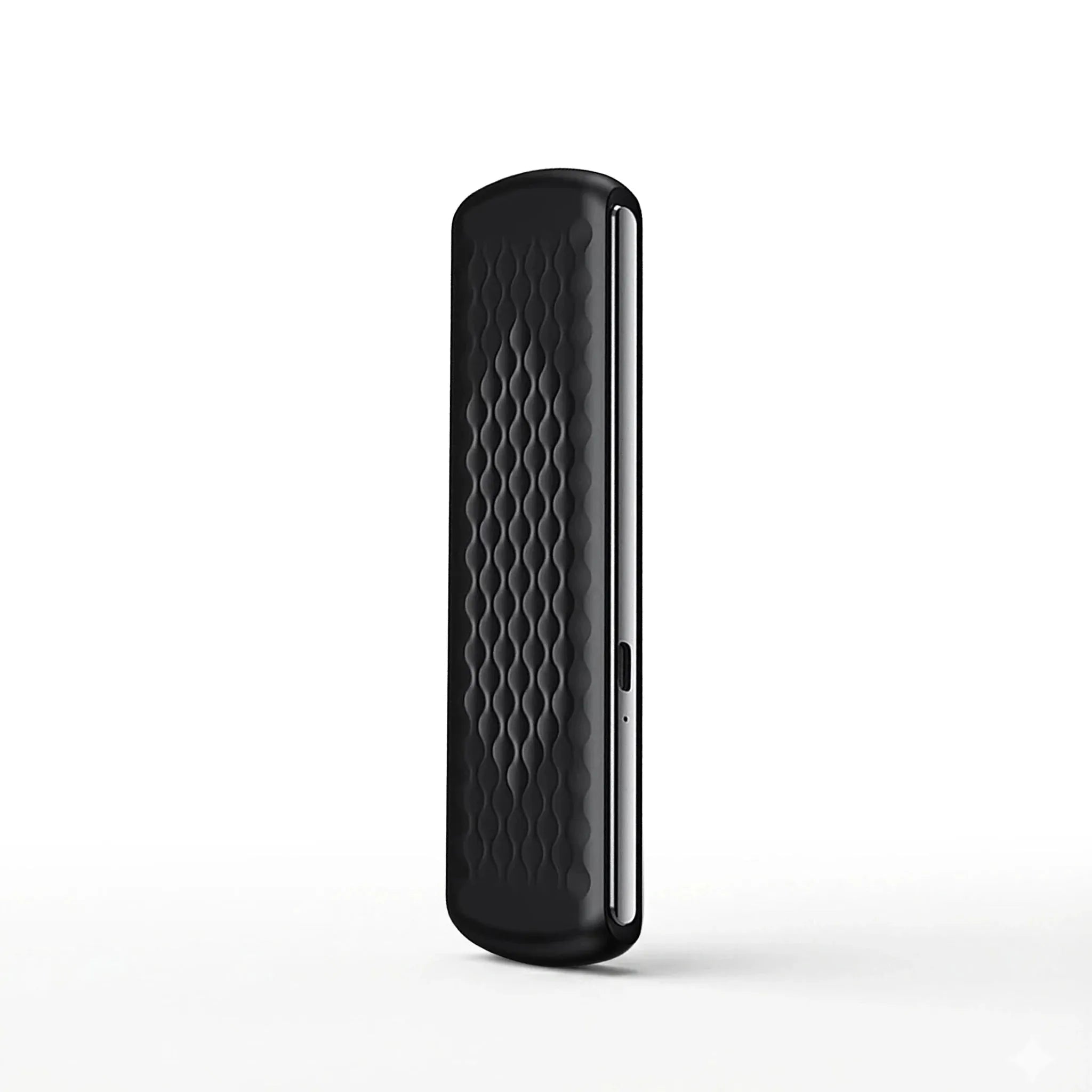
Sonata 2.0 – Bone Conduction Sleep & Tinnitus Relief Device

Under-pillow comfort.

Built for habituation.

Bone conduction comfort.

Ready when you are.

Sound stays close to you.

Built in or Bluetooth sounds.
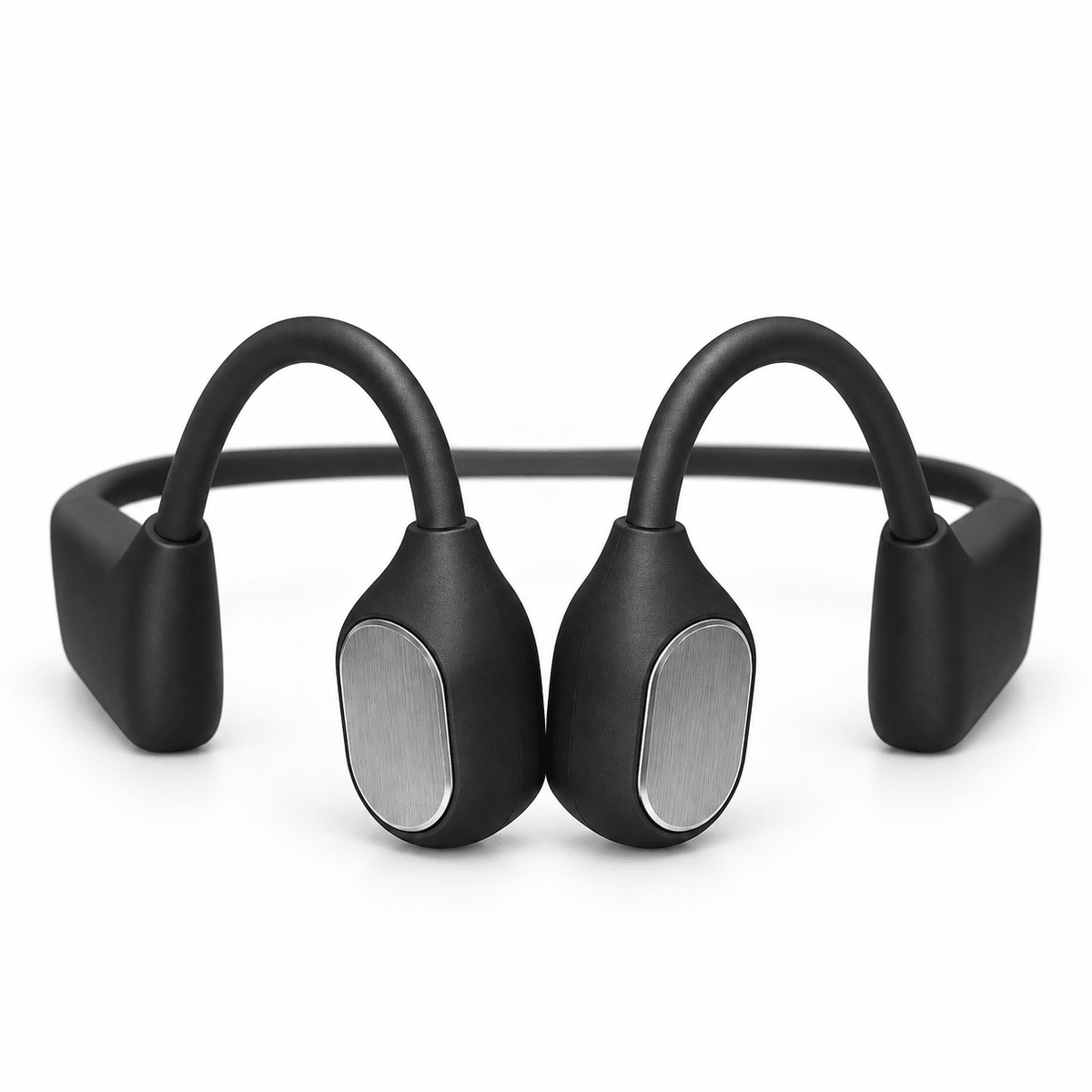
Sonovo Z18 Dual-Mode Bone Conduction Sound Amplifier
Sound amplifier + Bluetooth.
Bone conduction comfort.
Built for habituation.

10 hours of battery life.

IP67 waterproof.

Around 9 hours per charge.
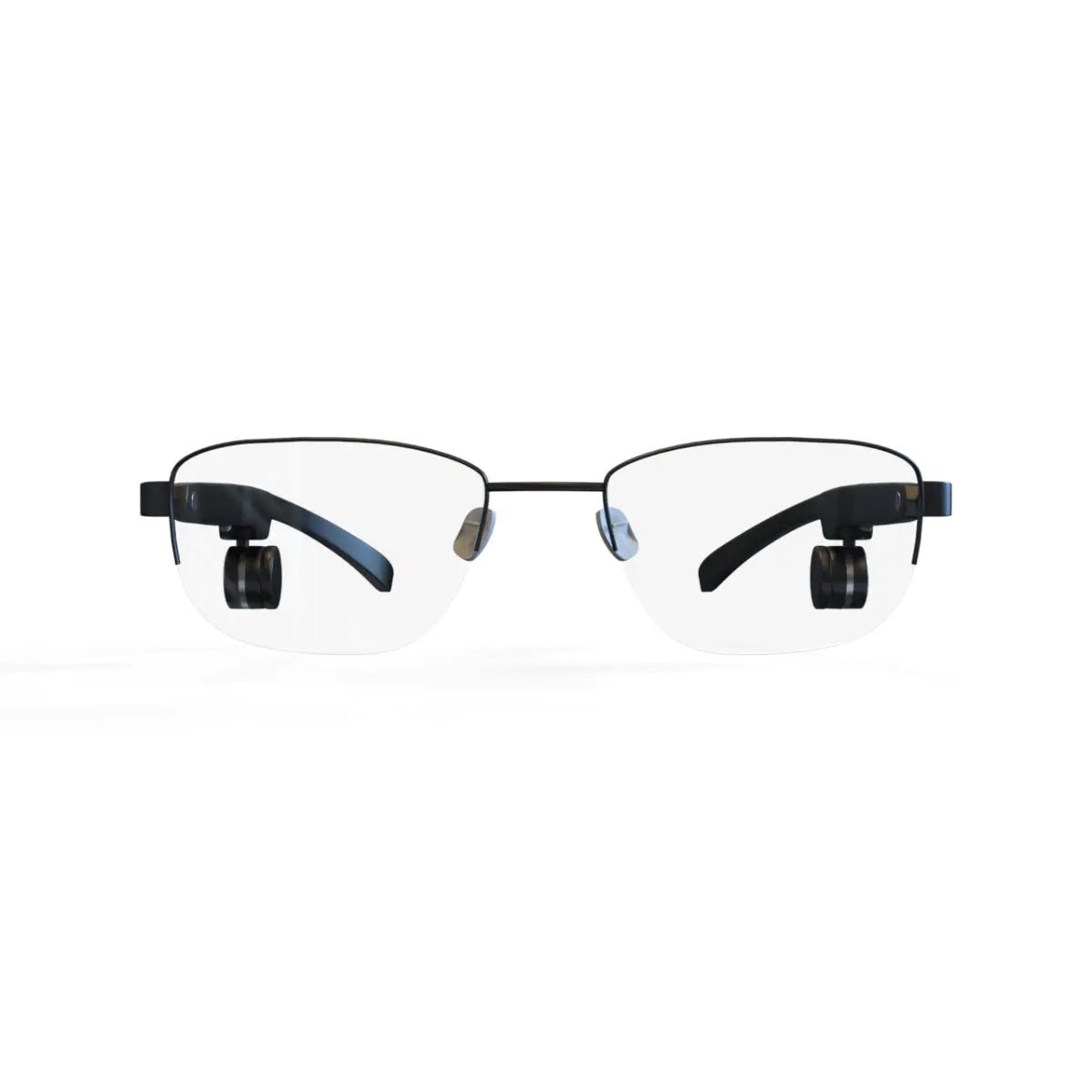
Sonovo Unison Bone Conduction Sound Amplifier Glasses.
Built for habituation.
IP67 waterproof.
Bone conduction comfort.
Start creating a calmer listening environment.
Living with tinnitus alongside Ear infections.
Get the underlying cause looked at by a GP or audiologist first. If sound enrichment would help in the meantime, or you simply want to talk it through, contact a member of our team.