

Ear wax build-up and tinnitus.
Ear wax build-up is one of the most common and most treatable causes of tinnitus. Here is why it happens, what to do about it, and when to see a GP.
On this page.
What it is.
Ear wax is normal and useful. Your ears make it to keep the ear canal clean, moisturised and protected, and most of the time it works its way out on its own without you ever noticing.
Sometimes it does not. Wax can build up and harden, particularly if it has been pushed further down the canal by cotton buds, ear buds or hearing aids. Some people simply produce more of it than others, and narrower ear canals make it more likely.
When enough builds up to block the canal, it is called impacted ear wax.
When to speak to a GP.
Do not try to dig wax out yourself. Cotton buds push it further in and can damage the ear canal or eardrum.
If you think you have a build-up, softening drops or plain olive oil are a reasonable first step for a few days. If that does not clear it, see a pharmacist, GP or audiologist. Some GP surgeries no longer remove wax, so you may be referred elsewhere.
Tinnitus UK advise against Hopi ear candling. There is no good evidence it works and it carries a risk of harm.
Ask for an urgent GP appointment if your tinnitus beats in time with your pulse.
Call 999 or go to A&E if you have tinnitus after a head injury, or together with sudden hearing loss, weakness in the muscles of your face, or a spinning sensation.
Why it can come with tinnitus.
This one has a simple explanation, and it is the same reason tinnitus feels worse at night.
A build-up of wax blocks some of the sound coming in from outside. With less of the world reaching your eardrum, the sounds generated inside your own head become relatively more obvious. The tinnitus has not got louder. The competition has got quieter.
That is why wax-related tinnitus usually arrives alongside other signs of a blockage: a feeling of fullness in the ear, muffled hearing, itching or a mild earache, often in just one ear.
Ear wax is one of the most common causes of tinnitus, and one of the few that is genuinely straightforward to resolve. It is also one of the first things a GP or audiologist will check for.
Three things worth knowing.
-
It is usually temporary.
Tinnitus caused by a wax blockage normally settles once the wax is cleared. It may briefly feel worse immediately afterwards, which is common and usually passes within a few days.
-
If it does not go, that is useful information.
Tinnitus that persists after the wax has been removed is not a failed treatment. It tells you something else is going on, and it is worth going back for a proper hearing assessment.
-
Prevention is mostly leaving it alone.
You cannot stop your ears making wax, and you should not try. If you build up regularly, a couple of drops of olive oil once a week can help it clear on its own. Nothing smaller than your elbow goes in your ear.
What can be done.
This is one of the more hopeful pages on this site, because ear wax is treatable.
Start with softening. Olive oil or over-the-counter ear drops, used for a few days, are often enough on their own.
If that does not work, have it looked at. A pharmacist can advise, and a GP or audiologist can remove it properly. Microsuction has become the preferred method in recent years because it is quick, safe and does not involve flushing water into the ear.
And if the tinnitus is still there once the wax has gone, go back. It means the wax was not the cause, or not the only one, and that is worth investigating rather than living with.
Where sound enrichment fits.
Sound enrichment does not remove ear wax and it does not treat the blockage. Please get the wax dealt with first.
Where it can help is the waiting. If you are a fortnight away from an appointment and the ringing is keeping you awake, putting some gentle background sound in the room reduces the contrast that makes tinnitus stand out. A fan, a radio turned low, rain. It does not need to be a device.
And for some people the tinnitus turns out not to be the wax at all. If that is you, sound enrichment becomes part of the longer picture rather than a stopgap.
Common questions.
Can ear wax really cause tinnitus?
Yes, though it is better described as triggering or worsening it. The wax blocks external sound from reaching the eardrum, which makes the sounds inside your head more noticeable. Tinnitus UK list it as a recognised trigger.
Will my tinnitus go away once the wax is removed?
For many people, yes. It may feel briefly worse straight after the procedure, which usually settles within a few days. If it is still there after a week or two, that suggests something else is involved and is worth getting checked.
How do I know if wax is the cause?
Wax-related tinnitus usually comes with other signs of a blockage: a feeling of fullness, muffled hearing, itching or mild earache, and often in one ear rather than both. A clinician looking in your ear is the only way to know for certain.
Can I remove the wax myself?
You can try softening it with olive oil or ear drops. You should not try to physically remove it. Cotton buds push wax deeper and risk damaging the canal or eardrum, and ear candling is not recommended.
Why does it feel worse at night?
The same reason all tinnitus does. Your tinnitus is not getting louder, the world around it is getting quieter. With a wax blockage you are getting that effect all day, which is why it can feel relentless.
Sources.
This page is for information only and is not medical advice. Sonovo is not a medical provider. Our products are not medical devices or hearing aids. They are designed to provide sound enrichment and, in some cases, gentle sound amplification. They do not treat or cure tinnitus or any underlying condition. If you have any concerns about your hearing or tinnitus, please speak with a GP or a qualified audiologist.
Choose the Sonovo device that fits your routine.
Sound enrichment products.
None of these treat Ear wax build-up. They are designed to make tinnitus feel less intrusive while you get the underlying cause looked at.
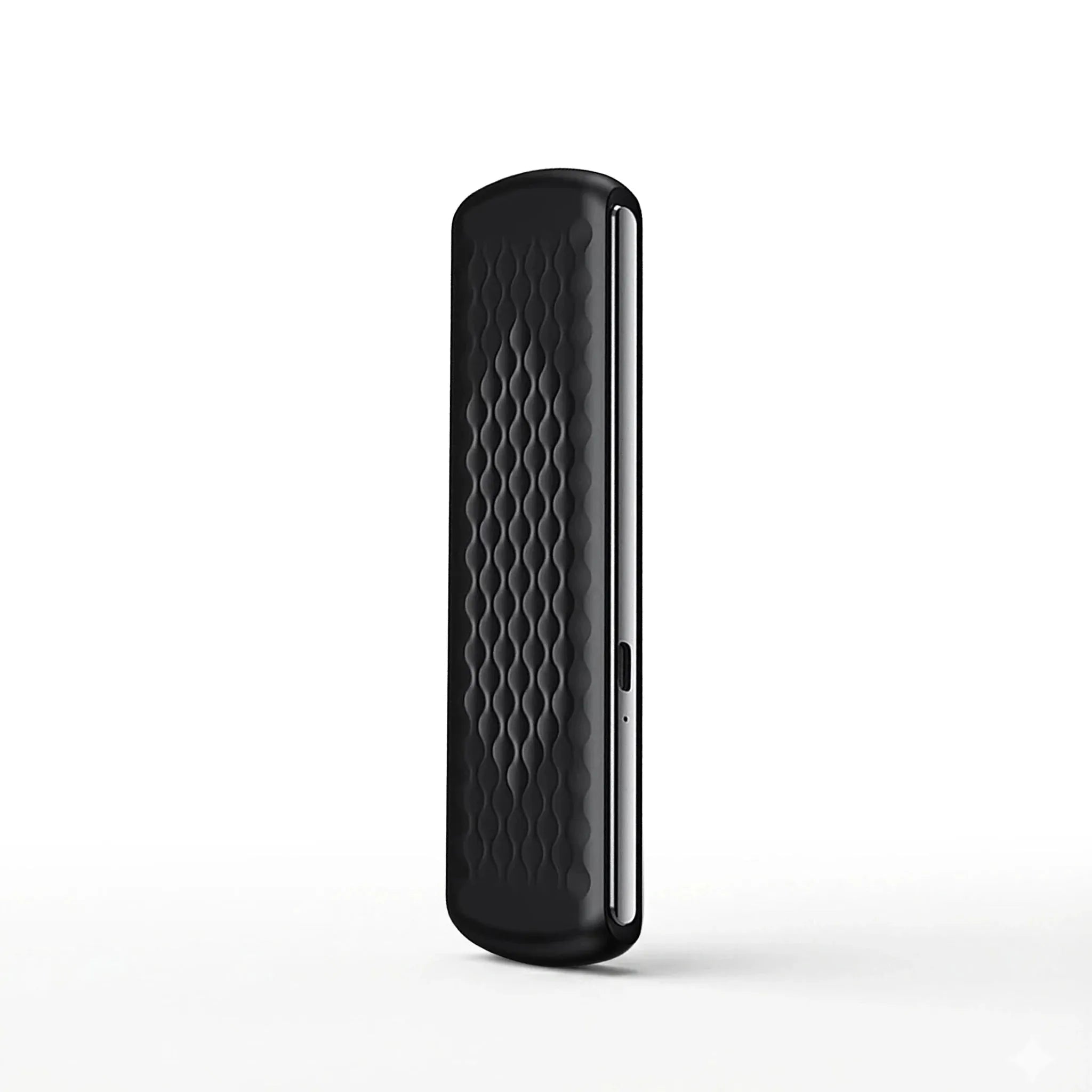
Sonata 2.0 – Bone Conduction Sleep & Tinnitus Relief Device

Under-pillow comfort.

Built for habituation.

Bone conduction comfort.

Ready when you are.

Sound stays close to you.

Built in or Bluetooth sounds.
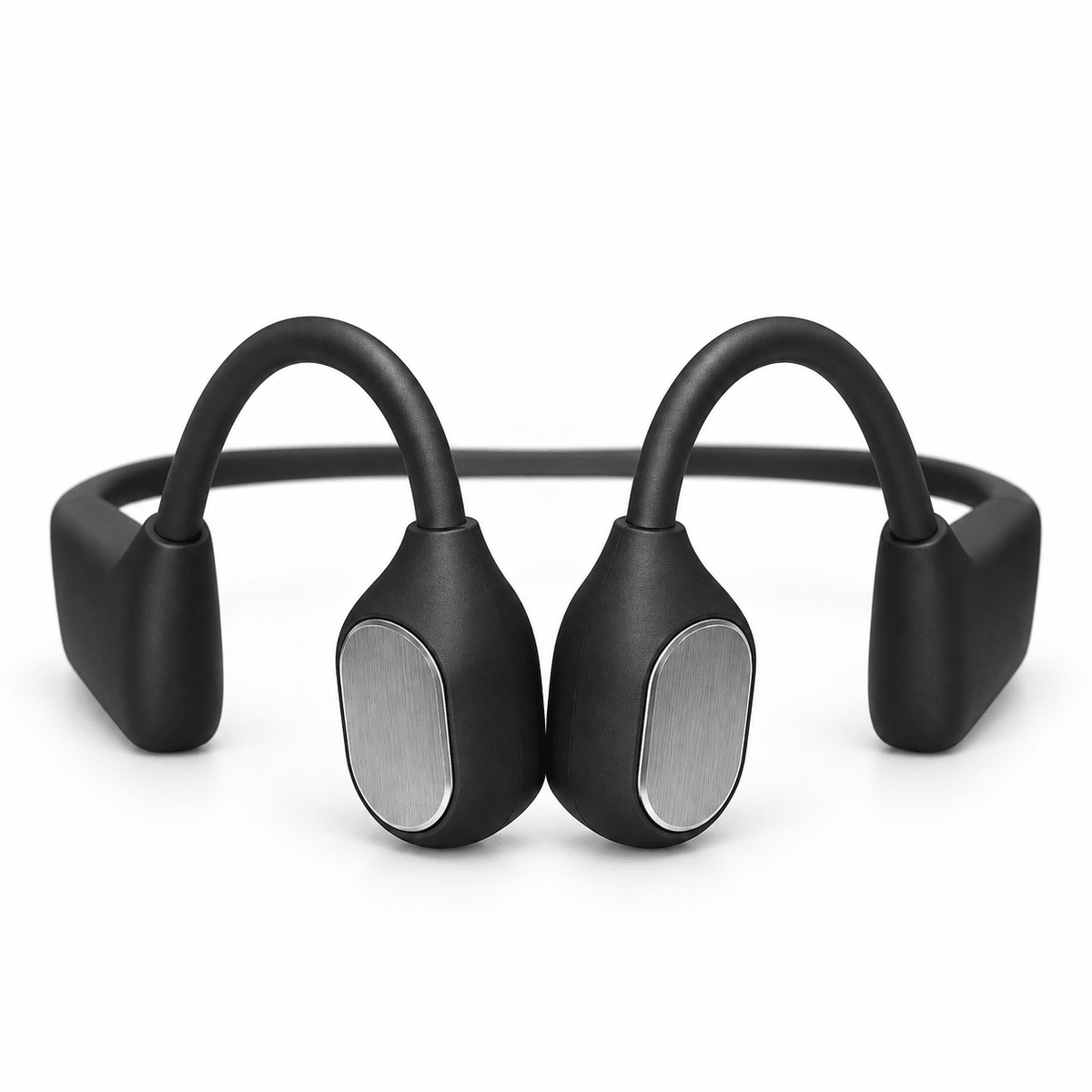
Sonovo Z18 Dual-Mode Bone Conduction Sound Amplifier
Sound amplifier + Bluetooth.
Bone conduction comfort.
Built for habituation.

10 hours of battery life.

IP67 waterproof.

Around 9 hours per charge.
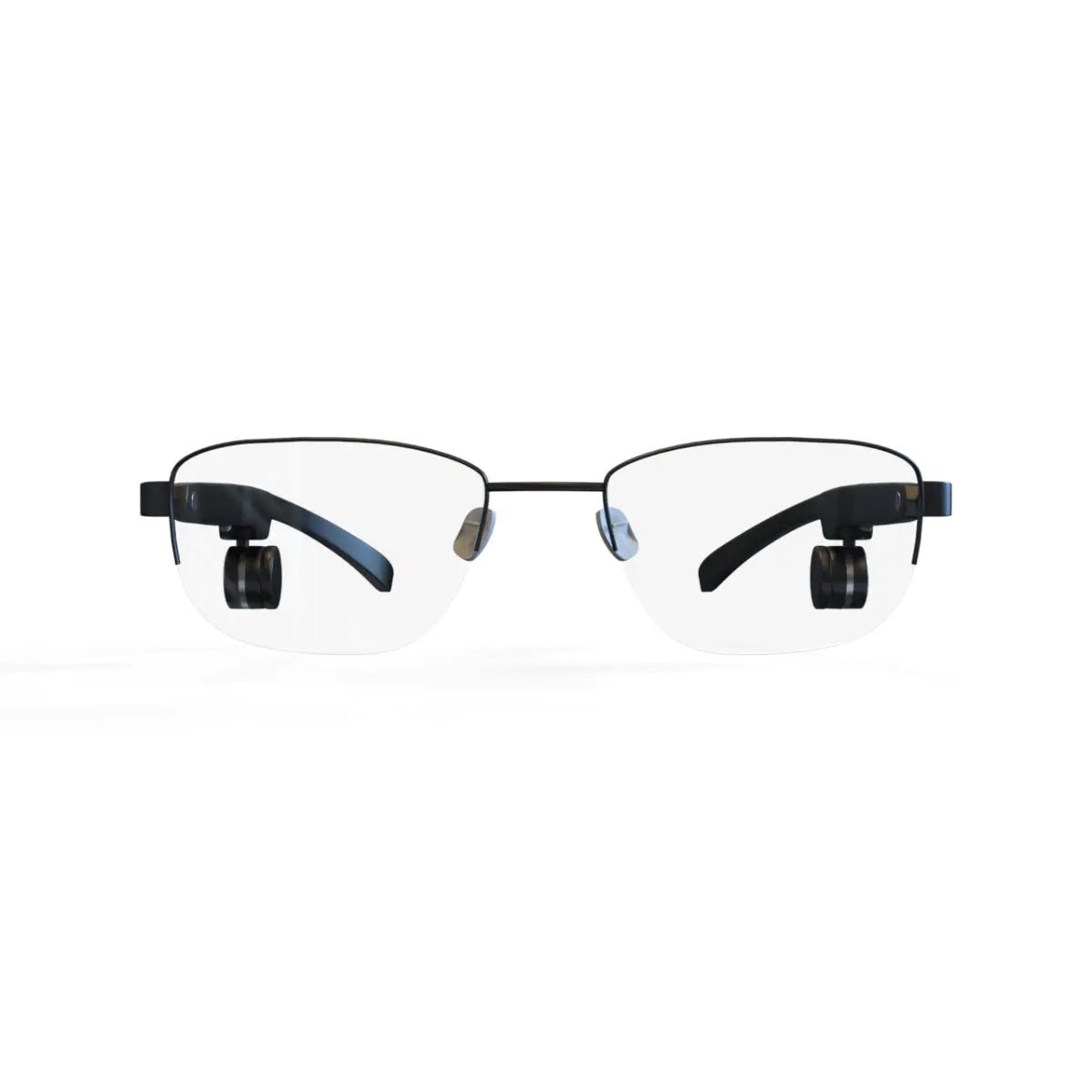
Sonovo Unison Bone Conduction Sound Amplifier Glasses.
Built for habituation.
IP67 waterproof.
Bone conduction comfort.
Start creating a calmer listening environment.
Living with tinnitus alongside Ear wax build-up.
Get the underlying cause looked at by a GP or audiologist first. If sound enrichment would help in the meantime, or you simply want to talk it through, contact a member of our team.