

Ménière's disease and tinnitus.
Ménière's disease affects balance and hearing, and tinnitus is part of it. What it is, why the ringing matters as much as the dizziness, and where to find support.
On this page.
What it is.
Ménière's disease is a rare condition of the inner ear that affects both hearing and balance.
It tends to come in attacks: a spinning feeling, pressure or fullness deep in the ear, hearing that drops, and tinnitus, often together. Attacks can last anywhere from a few minutes to a day, and the gaps between them can be weeks, months or years.
It usually starts in one ear, though both ears can become affected over time.
When to speak to a GP.
Speak to a GP promptly
If you have symptoms that sound like Ménière's, see a GP. Do not try to diagnose yourself, as other conditions can cause similar symptoms.
Call 999 if you have a sudden spinning feeling along with a drooping face, weakness in an arm, slurred speech or a sudden change in the vision in one eye. These can be signs of a stroke.
Ask for an urgent GP appointment if your tinnitus beats in time with your pulse.
Call 999 or go to A&E if you have tinnitus after a head injury, or together with sudden hearing loss, weakness in the muscles of your face, or a spinning sensation.
Why it can come with tinnitus.
The exact cause of Ménière's is not known. It is thought to be linked to a build-up of fluid pressure deep inside the ear, which disturbs the parts that handle both hearing and balance.
Tinnitus is one of the main symptoms. It can be worse during or around an attack, and over time it can become constant.
Ménière's is rare, which can make it lonely, because few people around you will have heard of it. The Ménière's Society is there for exactly this, with a helpline on 01306 876883, Monday to Friday, 9am to 5pm.
Three things worth knowing.
-
The ringing counts too.
Appointments tend to focus on the dizziness, because it is the most disruptive part. If the tinnitus is wearing you down, say so. It is a real part of the condition and worth raising on its own.
-
Attacks often ease over time.
For many people, vertigo attacks become less frequent in the later stages, and sometimes stop altogether. Hearing loss and tinnitus can remain, which is why managing them matters.
-
Driving rules apply.
You must tell the DVLA if you have dizziness that comes on suddenly or happens often. Your GP can talk this through with you.
What can be done.
Ménière's is managed by a GP or specialist, usually with medicines for the symptoms and some changes to daily life. Your care team is the place for those decisions.
For the tinnitus, the same things that help other people tend to help here. Gentle background sound in quiet rooms. Looking after sleep. Talking to people who understand, whether that is the Ménière's Society, Tinnitus UK on 0800 018 0527, or a local support group.
If your hearing has changed, ask about a hearing assessment. Support with your hearing can make the tinnitus easier to live with as well.
Where sound enrichment fits.
Sound enrichment does not affect Ménière's and it does not prevent attacks. Please leave the condition itself to your care team.
Where it can help is the tinnitus between attacks, particularly at night. Low, gentle background sound reduces the contrast that makes tinnitus stand out. If sound bothers you during an attack, keep anything you use quiet and easy to switch off.
Common questions.
Is tinnitus always part of Ménière's?
It is one of the main symptoms, alongside vertigo, hearing loss and a feeling of pressure in the ear. How strong each one is varies a lot from person to person.
Does the tinnitus change during an attack?
It can. For many people it is worse during or around an attack. Over time it can become constant.
Can Ménière's be cured?
Not at the moment. It can be managed, and for many people attacks become less frequent over time.
Where can I find support?
The Ménière's Society runs a helpline on 01306 876883 and peer support groups. Tinnitus UK's helpline is free on 0800 018 0527.
Will I lose my hearing?
Hearing in the affected ear can get worse over time, but it varies widely. Your specialist is the best person to talk to about what to expect.
Sources.
This page is for information only and is not medical advice. Sonovo is not a medical provider. Our products are not medical devices or hearing aids. They are designed to provide sound enrichment and, in some cases, gentle sound amplification. They do not treat or cure tinnitus or any underlying condition. If you have any concerns about your hearing or tinnitus, please speak with a GP or a qualified audiologist.
Choose the Sonovo device that fits your routine.
Sound enrichment products.
None of these treat Ménière's disease. They are designed to make tinnitus feel less intrusive while you get the underlying cause looked at.
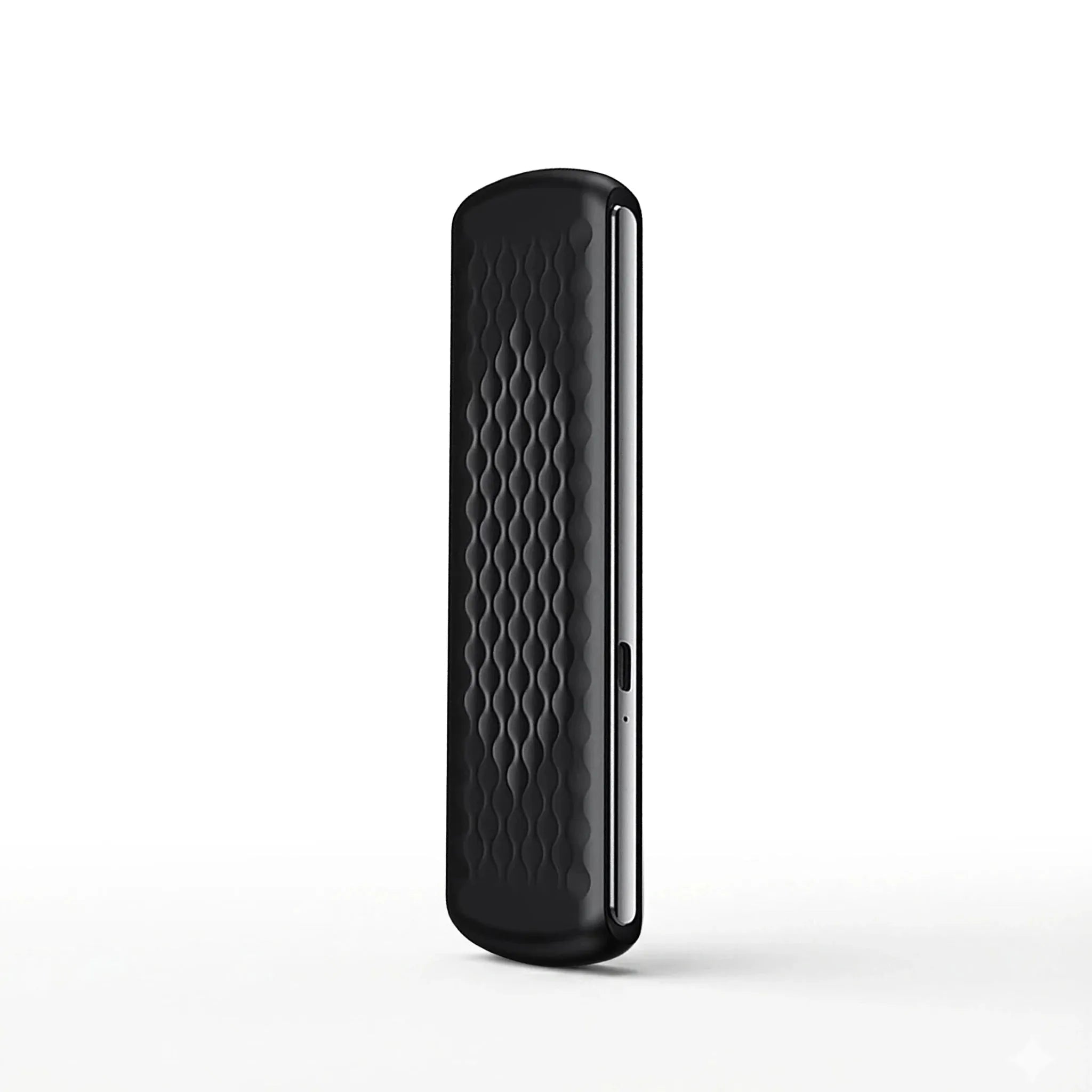
Sonata 2.0 – Bone Conduction Sleep & Tinnitus Relief Device

Under-pillow comfort.

Built for habituation.

Bone conduction comfort.

Ready when you are.

Sound stays close to you.

Built in or Bluetooth sounds.
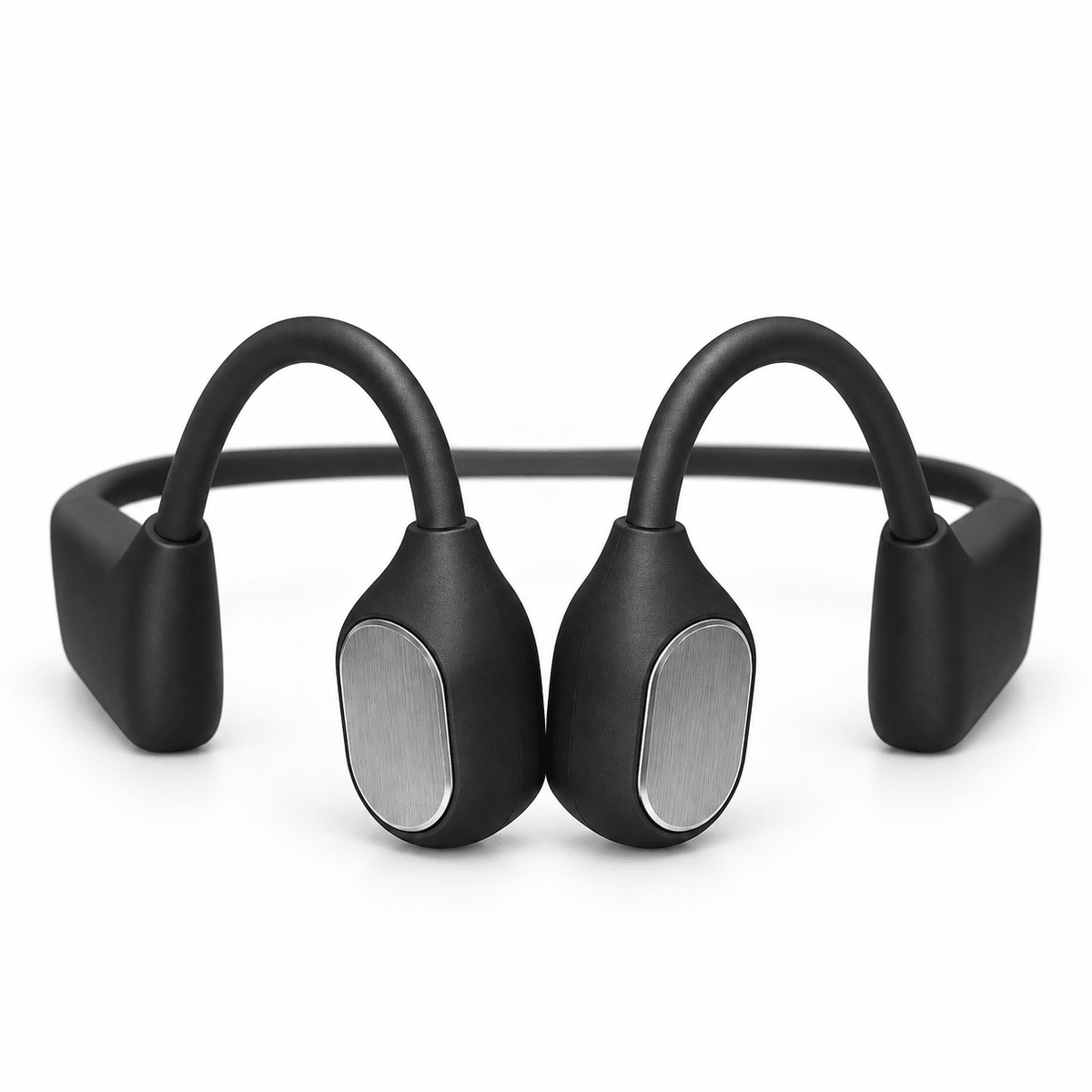
Sonovo Z18 Dual-Mode Bone Conduction Sound Amplifier
Sound amplifier + Bluetooth.
Bone conduction comfort.
Built for habituation.

10 hours of battery life.

IP67 waterproof.

Around 9 hours per charge.
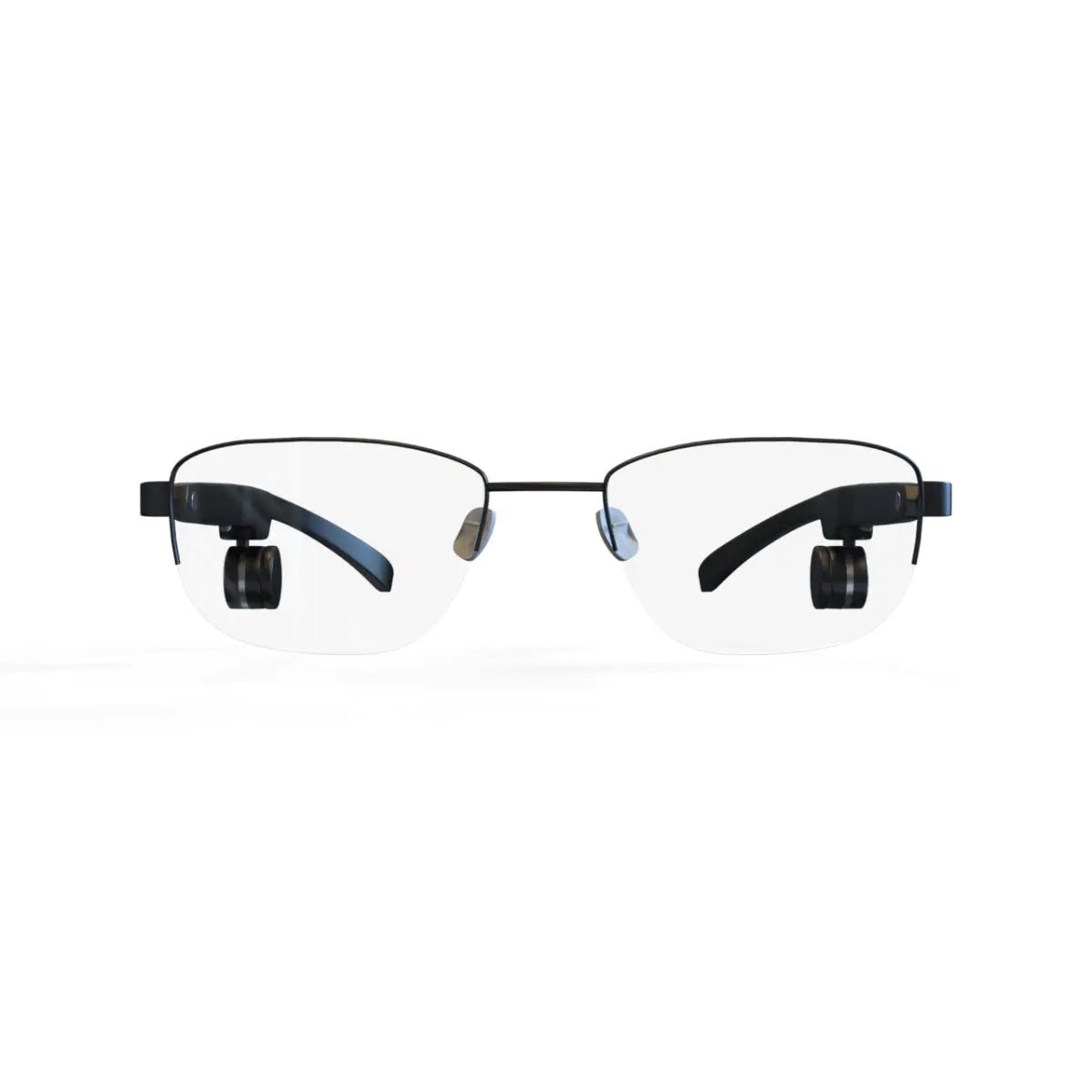
Sonovo Unison Bone Conduction Sound Amplifier Glasses.
Built for habituation.
IP67 waterproof.
Bone conduction comfort.
Start creating a calmer listening environment.
Living with tinnitus alongside Ménière's disease.
Get the underlying cause looked at by a GP or audiologist first. If sound enrichment would help in the meantime, or you simply want to talk it through, contact a member of our team.