

Noise exposure and tinnitus.
Loud noise is one of the most common routes into tinnitus, at work or for fun. What it does to your hearing, why tinnitus can follow, and what helps.
On this page.
What it is.
Noise exposure means time spent around sound loud enough to wear down your hearing. It can be years of it, on a building site, in a factory or workshop, or behind a drum kit. It can also be one very loud moment: a blast, a gunshot, an alarm going off right next to your ear.
Most people know the feeling of ringing ears after a gig or a long shift. For a while it fades by morning. For some people, one day it stops fading.
When to speak to a GP.
Tell a GP if the ringing has not faded after a few days, or if your hearing feels muffled. They can check your ears and arrange a hearing test.
If your hearing drops suddenly, in one or both ears, do not wait. Ask for an urgent GP appointment or contact NHS 111.
Ask for an urgent GP appointment if your tinnitus beats in time with your pulse.
Call 999 or go to A&E if you have tinnitus after a head injury, or together with sudden hearing loss, weakness in the muscles of your face, or a spinning sensation.
Why it can come with tinnitus.
Inside your inner ear are tiny hair cells that turn sound into signals your brain can read. Loud noise can damage them, and they do not grow back.
One explanation is that when fewer signals arrive, the hearing parts of your brain turn up their own sensitivity to make up for it. The result can be a sound that is not coming from outside at all.
Noise-related tinnitus often comes with some hearing loss alongside it, sometimes so slight you have not noticed it yet.
Very. In a Tinnitus UK survey, 35% of people with tinnitus said they believed it was caused by loud noise. Source: Tinnitus UK.
Three things worth knowing.
-
It is the most preventable cause.
Tinnitus UK describe noise exposure as the single biggest preventable cause of tinnitus. You cannot undo damage that has already happened, but you can stop adding to it.
-
Protecting your ears does not mean giving things up.
Earplugs made for music let you hear the band, just quieter. At work, wear the protection you are given every time, even for short jobs.
-
Temporary ringing is worth noticing.
If your ears ring after a loud night and settle by morning, that is your hearing telling you it was close to its limit. It is a good moment to start carrying earplugs, not a reason to stop going.
What can be done.
Get your hearing checked. A GP can refer you, and some pharmacies and opticians offer free hearing tests. Knowing where your hearing stands is useful whatever the answer.
Protect what you have from here. Earplugs at gigs, ear defenders for power tools and turning your headphones down a notch all count.
If the test shows some hearing loss, ask about hearing aids. Tinnitus UK say most people hear their tinnitus less when their hearing aids are switched on.
And give it time. Many people find noise-related tinnitus bothers them less as the months go on, even when the sound itself stays.
Where sound enrichment fits.
Sound enrichment does not repair hearing damage, and nothing currently does. What it can do is take away the silence that lets tinnitus stand out, at the end of a shift or last thing at night.
A fan, a radio on low or rain sounds all work. If you want something that goes with you, that is where devices like ours come in, as an addition to looking after your hearing, never a replacement for it.
Common questions.
Can one loud noise cause tinnitus?
Yes. A single very loud event, like an explosion, a gunshot or an alarm close to the ear, can damage hearing and bring on tinnitus. If this has just happened and the ringing has not settled, speak to a GP.
Will it go away?
Ringing after a loud night often fades on its own. Tinnitus that lasts longer may stay, but for many people it becomes much less noticeable over time. That process is called habituation.
Are headphones a risk?
They can be, if they are loud and on for long periods. A simple rule: if someone next to you can hear your music, it is probably too loud.
Does it mean I am losing my hearing?
Not always, but noise-related tinnitus often comes with some hearing loss. A hearing test is the only way to know.
Should I stop going to gigs?
No. Wear earplugs made for music, take breaks away from the speakers, and give your ears a quiet day afterwards.
Sources.
This page is for information only and is not medical advice. Sonovo is not a medical provider. Our products are not medical devices or hearing aids. They are designed to provide sound enrichment and, in some cases, gentle sound amplification. They do not treat or cure tinnitus or any underlying condition. If you have any concerns about your hearing or tinnitus, please speak with a GP or a qualified audiologist.
Choose the Sonovo device that fits your routine.
Sound enrichment products.
None of these treat Noise exposure. They are designed to make tinnitus feel less intrusive while you get the underlying cause looked at.
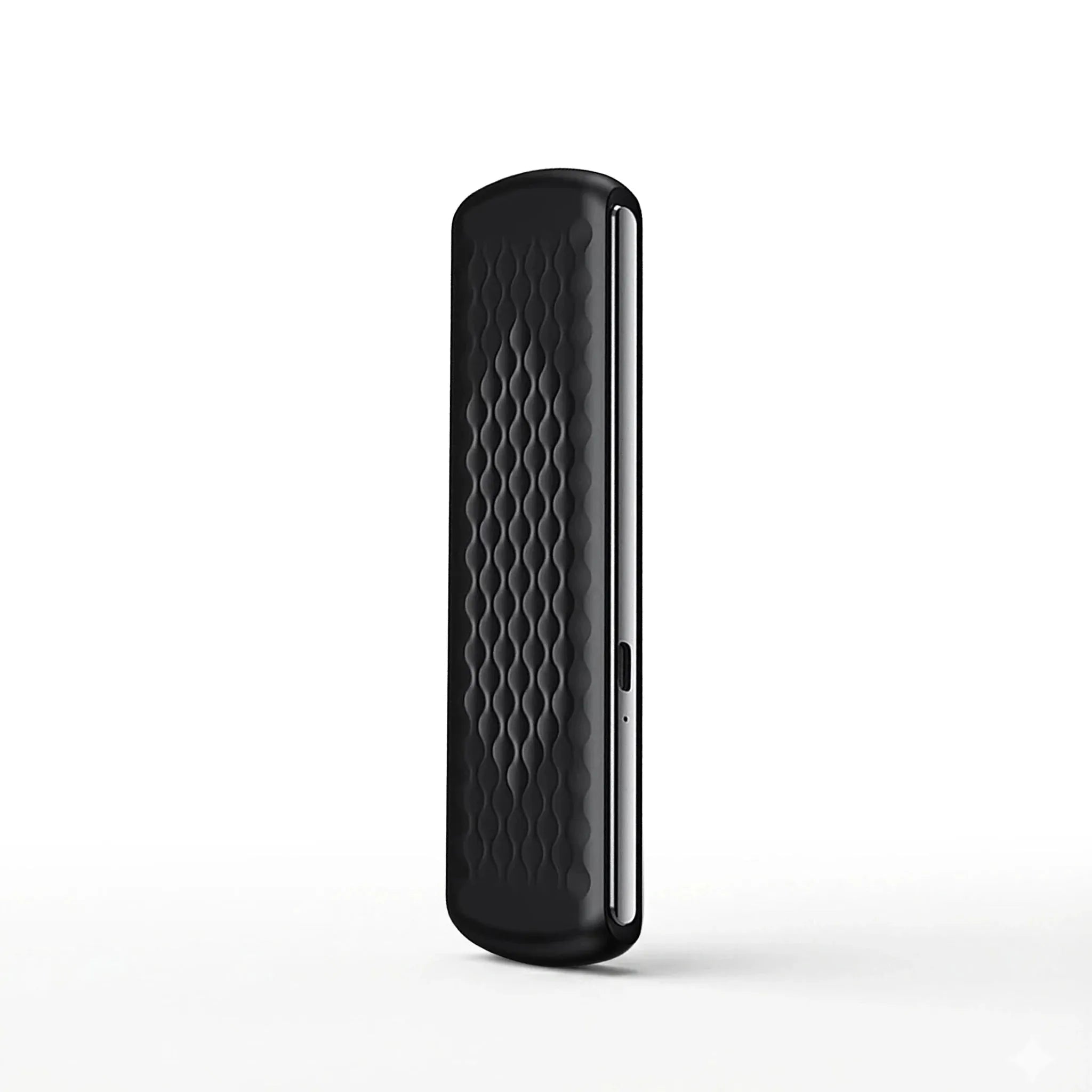
Sonata 2.0 – Bone Conduction Sleep & Tinnitus Relief Device

Under-pillow comfort.

Built for habituation.

Bone conduction comfort.

Ready when you are.

Sound stays close to you.

Built in or Bluetooth sounds.
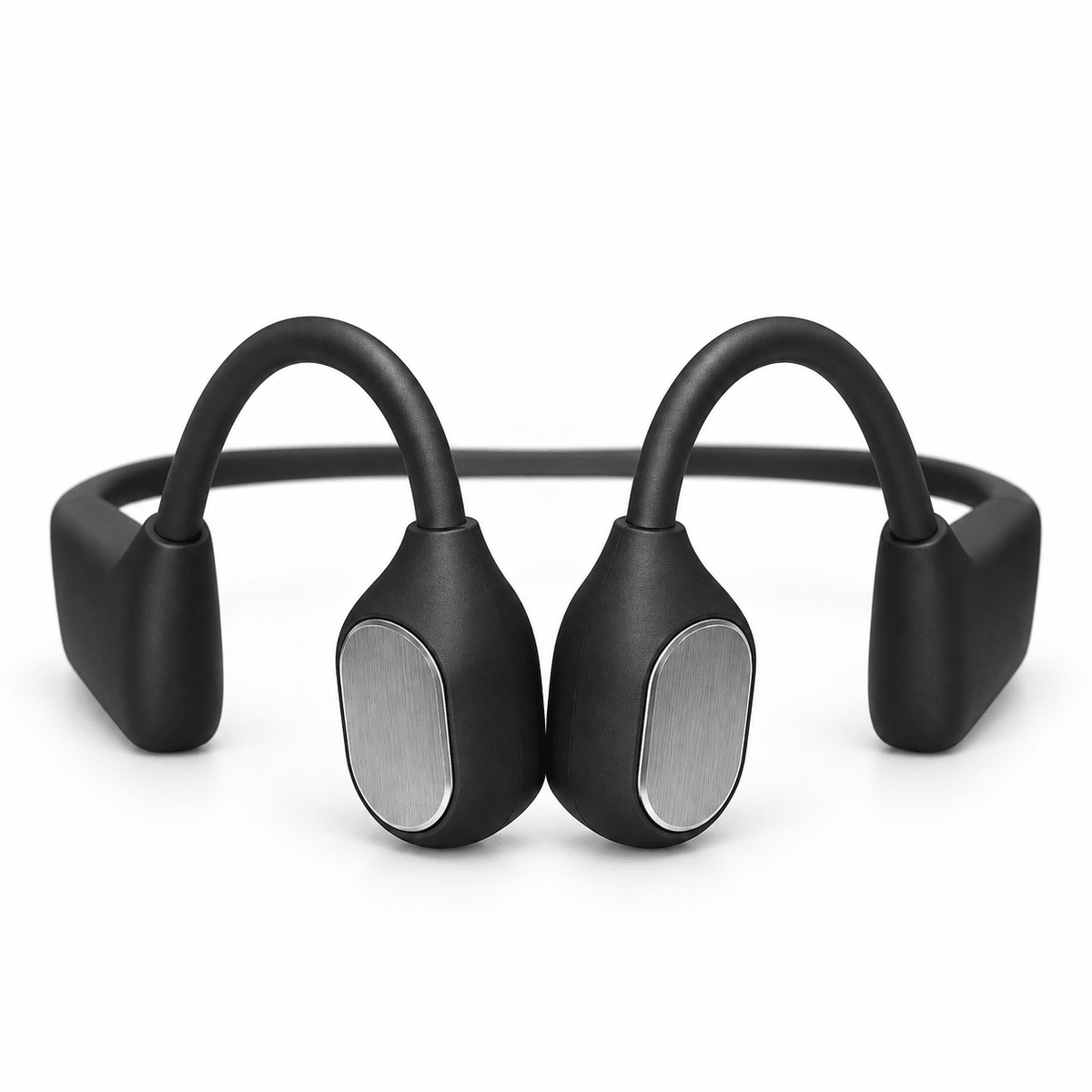
Sonovo Z18 Dual-Mode Bone Conduction Sound Amplifier
Sound amplifier + Bluetooth.
Bone conduction comfort.
Built for habituation.

10 hours of battery life.

IP67 waterproof.

Around 9 hours per charge.
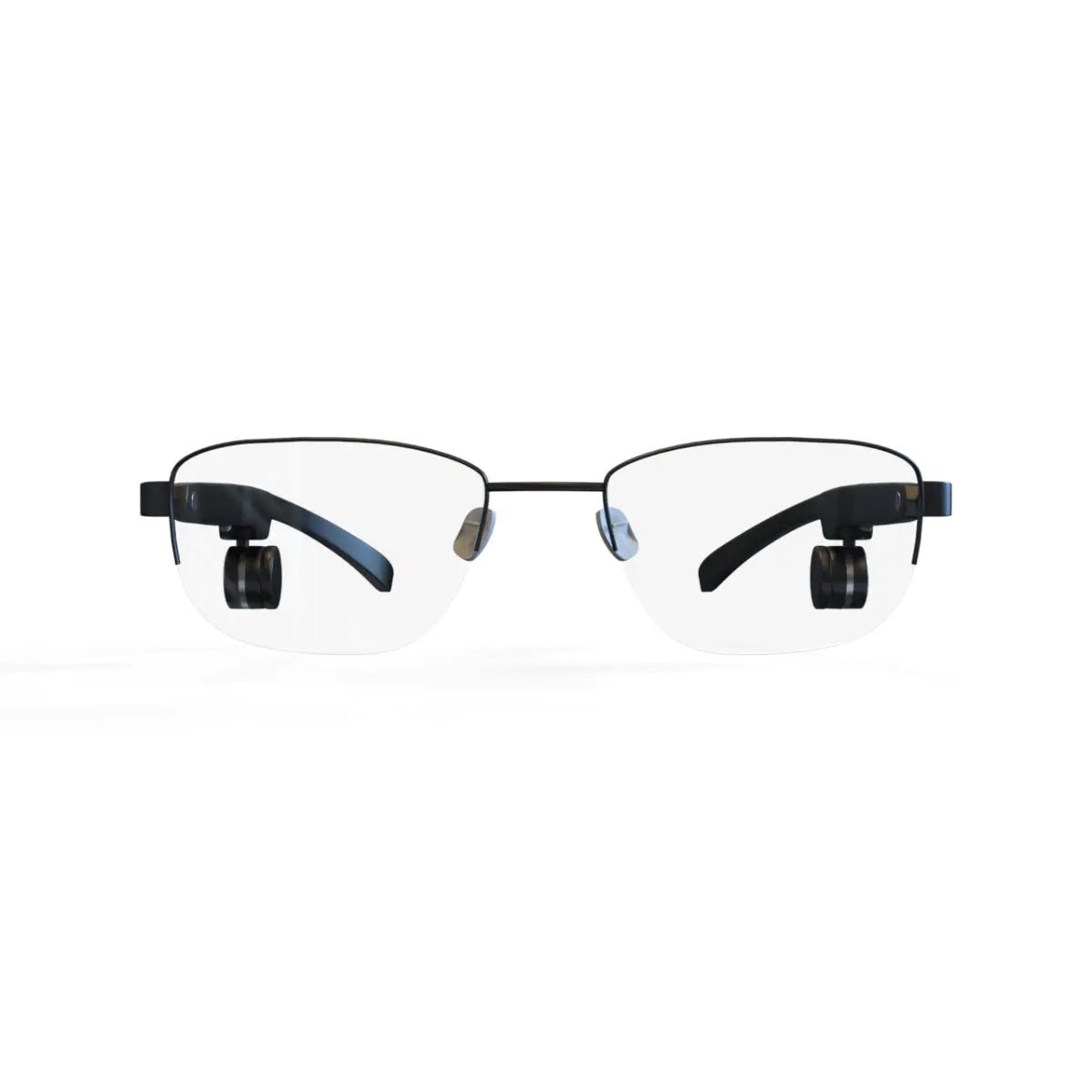
Sonovo Unison Bone Conduction Sound Amplifier Glasses.
Built for habituation.
IP67 waterproof.
Bone conduction comfort.
Start creating a calmer listening environment.
Living with tinnitus alongside Noise exposure.
Get the underlying cause looked at by a GP or audiologist first. If sound enrichment would help in the meantime, or you simply want to talk it through, contact a member of our team.