What is Pulsatile Tinnitus?

What is Pulsatile Tinnitus?

Pulsatile tinnitus is a type of tinnitus where the sound has a rhythm or pulse. Many people describe it as a whooshing, thumping, beating or pulsing sound, often in time with their heartbeat.

Unlike the more common ringing or buzzing tinnitus, pulsatile tinnitus can sometimes be linked to changes in blood flow near the ear, head or neck. Because of this, it is important to speak to a GP or qualified audiologist, especially if it is new, one-sided, sudden, or causing concern.

What does pulsatile tinnitus feel like?

What does Pulsatile Tinnitus feel like?

Pulsatile tinnitus can feel different from person to person, but it is often described as a rhythmic sound rather than a constant tone.

Common descriptions include:

- A whooshing sound
- A heartbeat-like pulse
- Thumping or beating in the ear
- A rushing or flowing sound
- A sound that becomes more noticeable when lying down
- A pulsing noise that feels louder in quiet environments

For some people, it can feel unsettling because the sound has a pattern and may draw attention more easily than a constant background noise.

⚠️ If symptoms are new or concerning, it’s important to speak to a GP.

What can cause Pulsatile Tinnitus?

More Information On Pulsatile Tinnitus

Changes in blood flow.

Pulsatile tinnitus may sometimes be linked to changes in blood flow in the vessels near the ear, head or neck. This can make internal body sounds more noticeable.

Awareness of internal sounds.

Some people become more aware of sounds from within the body, especially in quiet environments. This can make pulsing or whooshing sounds feel more obvious.

Ear or hearing-related changes.

In some cases, ear conditions or changes in hearing can make internal sounds easier to notice. A GP or audiologist can help check whether there is an underlying cause.

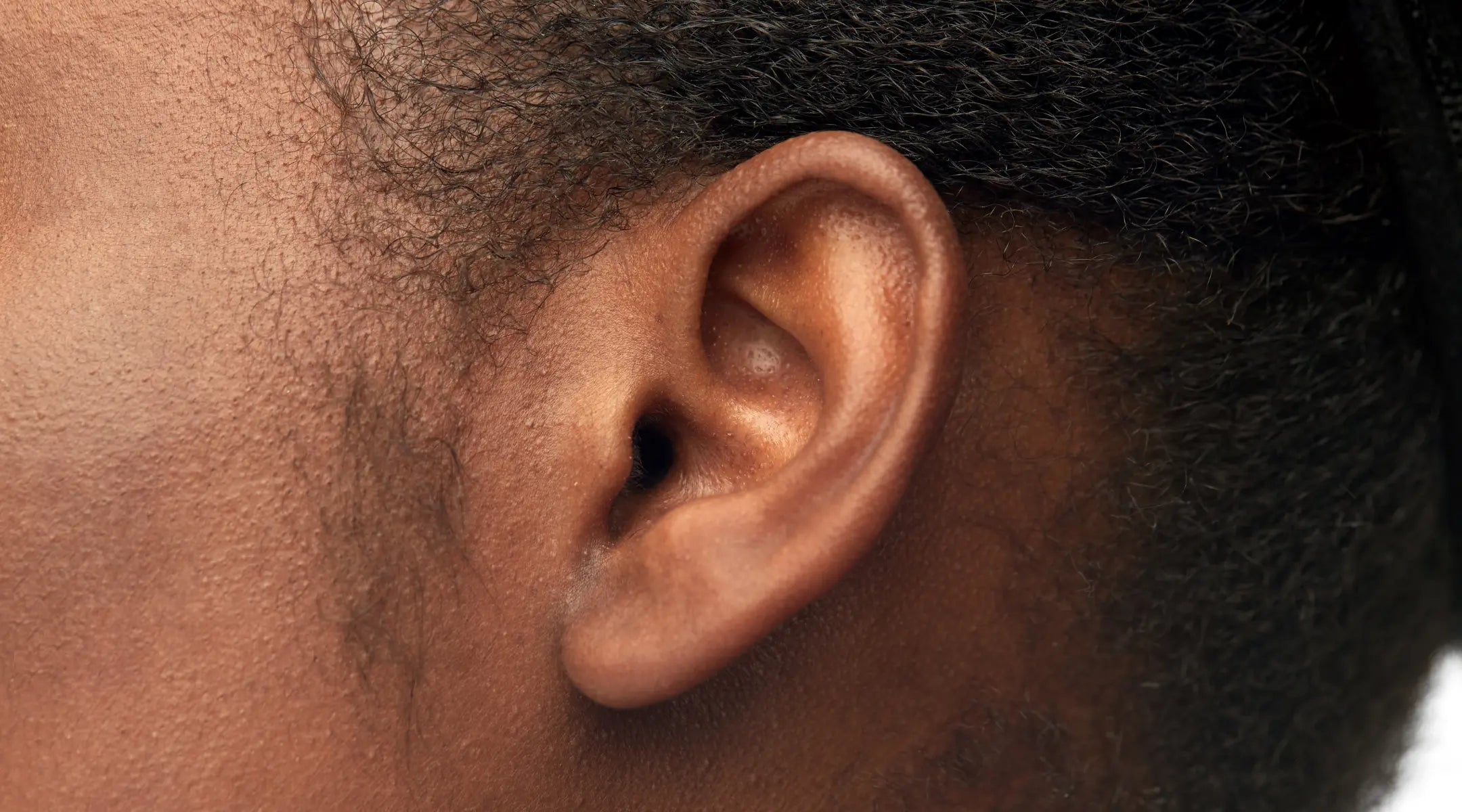
Why Pulsatile Tinnitus feels worse in quiet environments image

Why Pulsatile Tinnitus feels worse in quiet environments.

Pulsatile tinnitus can feel more noticeable in quiet environments because there is less external sound for the brain to focus on. When the room is silent, internal sounds can feel louder and more intrusive.

This is why many people notice pulsatile tinnitus more at night, when trying to relax, or when lying in bed. Gentle background sound can help reduce the contrast between silence and the tinnitus, making the pulsing feel less dominant.

How to manage your Pulsatile Tinnitus journey, day to day

How to manage your Pulsatile Tinnitus journey, day to day.

Managing pulsatile tinnitus starts with getting the right guidance. Because this type of tinnitus can sometimes be linked to physical changes in blood flow or hearing, it is important to speak to a GP or qualified audiologist, especially if it is new or has changed.

Day to day, many people find it helpful to avoid complete silence where possible. Gentle background sound, calming audio, nature sounds or low-level ambient noise can make the pulsing less noticeable, particularly during quiet moments.

It may also help to keep a simple note of when the sound feels more noticeable, such as at night, after exercise, during stress, or when lying down. This can be useful if you speak to a healthcare professional.

Downloadable Resources for Pulsatile Tinnitus

Downloadable resources for Pulsatile Tinnitus.

Download our free guide to understanding pulsatile tinnitus. It explains what pulsatile tinnitus can feel like, why it may seem louder in quiet environments, and how gentle sound enrichment may help make everyday moments feel calmer.

Downloadable Pulsatile Tinnitus Guide

Pulsatile Tinnitus F.A.Q's.

Is pulsatile tinnitus serious?

Pulsatile tinnitus is not always serious, but it should be checked by a GP or qualified audiologist, especially if it is new, one-sided, sudden, or changing. This is because it can sometimes be linked to changes in blood flow or other physical causes.

Why does pulsatile tinnitus sound like my heartbeat?

Pulsatile tinnitus often has a rhythm that matches your heartbeat. It may happen when you become aware of blood flow near the ear, head or neck. A healthcare professional can help investigate possible causes.

Why is pulsatile tinnitus worse at night?

At night there is usually less external sound, which can make tinnitus feel more noticeable. When the room is quiet, the brain may focus more on internal sounds, making the pulsing feel louder.

Can sound enrichment help pulsatile tinnitus?

Sound enrichment may help make pulsatile tinnitus feel less dominant by reducing the contrast between silence and the tinnitus sound. It does not treat the underlying cause, but it may make quiet moments more comfortable.

Should I see a doctor about pulsatile tinnitus?

Yes. If you experience pulsatile tinnitus, it is sensible to speak with a GP or qualified audiologist. This is especially important if the sound is new, only in one ear, sudden, or accompanied by other symptoms.

Disclaimer

Our products are not medical devices. They are designed to provide sound enrichment and, in some cases, gentle sound amplification. They are not hearing aids. If you have any concerns about your hearing or tinnitus, we recommend speaking with a GP or qualified audiologist.

Start creating a calmer listening environment.

We're here to help you with Pulsatile Tinnitus.

While no cure for Pulsatile Tinnitus exists yet, there are ways to make it feel less intrusive. Contact a member of our team if you have any queries related to our sound enrichment products or you want to share your story with us.

This site is protected by hCaptcha and the hCaptcha Privacy Policy and Terms of Service apply.

  • Customer care.

    hi@sonovo.co.uk